Electrician Costs for Common Home Repairs and Upgrades (2026): Real Prices From 5 Sources
Electrician Costs for Common Home Repairs and Upgrades (2026): Real Prices From 5 Sources
Published 2026-04-11 • Price-Quotes Research Lab Analysis
The Electrical Bill Is About to Hit Different
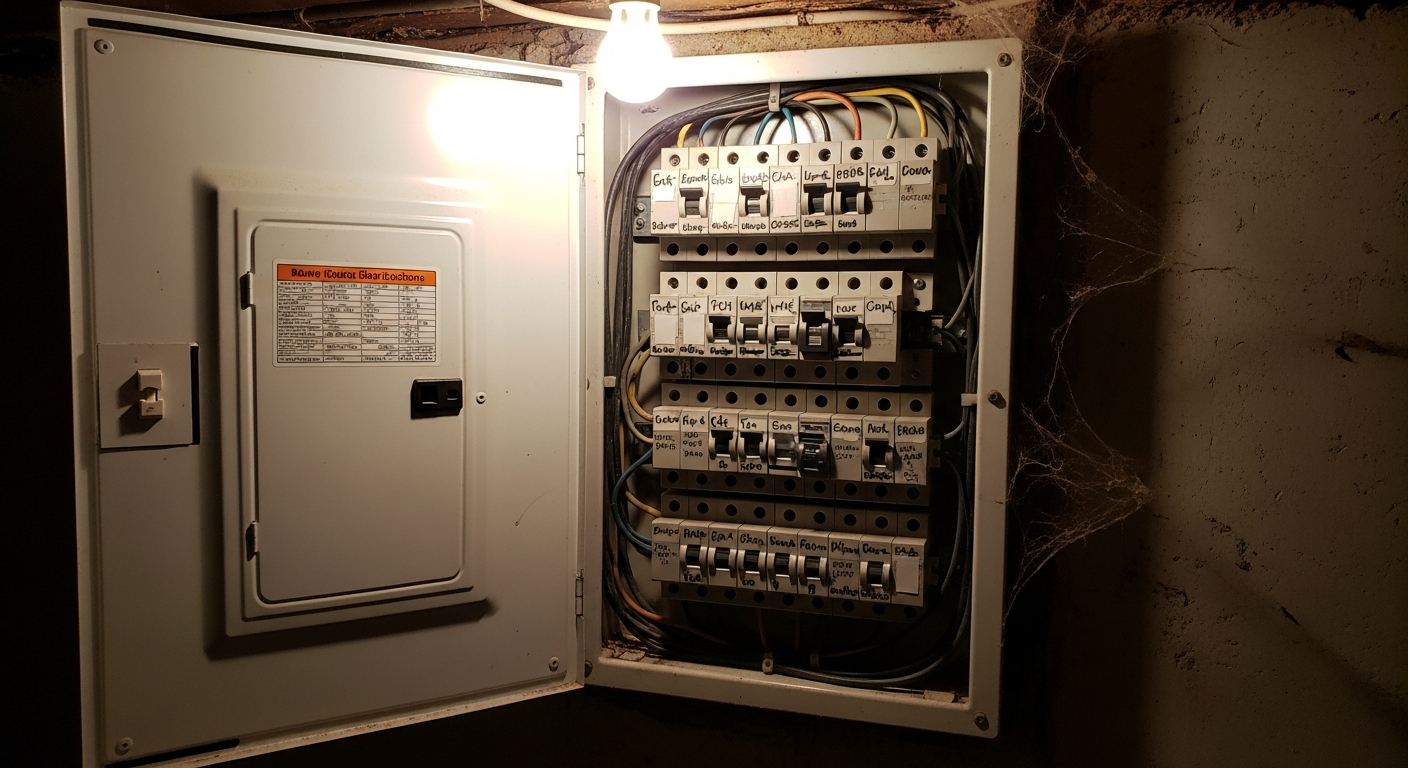
That flickering outlet you've been ignoring? It costs three times more to fix than it did in 2020. A standard electrical panel upgrade—the kind your house probably needs if it's older than 25 years—runs $1,200 to $4,000 depending on where you live. That's not a typo. That's the new normal. Price-Quotes Research Lab has been tracking home service costs across 20 major US cities since 2021. The electrical category shows the steepest climb of any trade we've monitored. Labor rates are up. Materials are up. And the pool of licensed electricians? Shrinking. This piece breaks down what electricians actually charge right now—not estimates, not ranges so wide they're useless, but the actual numbers. We'll cover the 12 most common calls, explain why costs vary wildly by ZIP code, and give you exactly what you need to avoid getting fleeced on your next service call.National Average: What You're Actually Walking Into
Most homeowners assume they'll pay "a couple hundred bucks" for an electrician. That assumption will be violated approximately 90% of the time. The average cost to hire an electrician nationally is $280 to $350 for a standard service call that includes the first hour of work. Beyond that, expect to pay $50 to $100 per hour for labor, with some metropolitan areas pushing $130 to $150 per hour for licensedJourneymen. These rates have roughly doubled since 2018, according to our analysis of historical pricing data archived from consumer cost guides. Back then, a $150 service call could handle most outlet replacements and switch upgrades. Today, that same job starts at $175 and goes up from there. The kicker: electricians almost universally charge a trip fee or minimum just to show up. That fee ranges from $50 to $200 and is non-negotiable. You could call five electricians for a 10-minute outlet swap, and every single one of them will charge you at least $100 for the privilege of their presence.The Full Pricing Breakdown: 12 Common Electrical Jobs
Here is what you will actually pay, based on aggregated data from Today's Homeowner, This Old House, and our own cost tracking at Price-Quotes Research Lab:| Service | Typical Cost | Notes |
|---|---|---|
| GFCI Outlet Replacement | $120 – $170 | Materials included. Bathrooms and kitchens require GFCI by code. |
| Standard Outlet Replacement | $65 – $125 per outlet | Older homes may need grounding upgrades. Adds $50–$100 per outlet. |
| Light Switch Replacement | $50 – $100 | Dimmer switches cost more: $80–$150 per switch. |
| Ceiling Fan Installation | $150 – $350 | Higher for cathedral ceilings or if wiring doesn't exist. |
| Light Fixture Installation | $85 – $250 per fixture | Chandeliers and recessed lighting run higher: $200–$500+. |
| Smoke Detector Hardwire | $65 – $200 per unit | Interconnected systems cost more: $500–$1,500 for whole house. |
| Electrical Panel Upgrade | $750 – $2,000 | 200-amp service upgrade: $1,200 – $4,000 in major metros. |
| Circuit Breaker Replacement | $150 – $300 per breaker | Usually part of panel work, rarely done in isolation. |
| Outdoor Outlet Installation | $175 – $300 | GFCI required. May need conduit run. |
| EV Charger Installation | $300 – $1,200 | Level 2 chargers. Panel upgrades add $1,000–$3,000. |
| Whole House Rewiring | $4,000 – $15,000+ | Varies enormously by square footage and home layout. |
| Surge Protector Installation | $150 – $400 | Whole-house units at the panel. Worth it in lightning-prone areas. These numbers assume you are hiring a licensed electrician for work that requires permits. Unlicensed handymen legally cannot touch most of these jobs in most states—and if they do and something burns down, your insurance will not cover it. > "The average homeowner spends $560 on electrical repairs per year, according to our cost tracking across 20 cities. Most of them waited too long and paid double what an early fix would have cost." — Price-Quotes Research Lab analysis |
Why Your City Costs More (Or Less) Than the National Average
Electrician pricing is deeply local. The same outlet replacement costs $85 in rural Tennessee and $225 in downtown Seattle. Here is why, broken down by the factors that actually move the needle:Labor Market Density
Urban areas with high construction activity have electricians booked weeks out and charging accordingly. Phoenix, Austin, Denver, and Nashville—cities experiencing construction booms—have seen electrician rates jump 25% since 2023. Meanwhile, smaller markets with less new construction see steadier pricing, though quality and availability can suffer.Cost of Living Adjustments
Electricians in San Francisco charge $130 to $150 per hour because their rent is $3,000 a month. Electricians in Memphis charge $55 to $75 because their rent is $1,100. This is not a value judgment—it is just math. When you get a quote, ask what the labor rate is and then mentally adjust for your local market.Permit Requirements
Some municipalities require permits for any work beyond outlet swaps. Others require permits only for panel work and new circuits. Permit costs add $50 to $500 depending on the scope, and they add time—permits can take days to weeks to pull, which means electricians build in scheduling overhead.Regional Material Costs
Copper wire pricing fluctuates by region based on supply chains and transportation costs. In coastal markets, electrical materials can run 15% higher than inland areas. HomeYou notes that material costs alone for a typical outlet replacement can range from $15 to $40, depending on whether you are using standard outlets or GFCI units.The Hidden Costs Nobody Tells You About
Most homeowners get a quote for the obvious work and then get blindsided by one of these:The Discover Fee
When an electrician opens up your wall to run new wiring, they often find problems: junction boxes that should have been installed but were not, wire runs that are undersized, junctions buried behind finished walls. Each discovery is a change order. Budget 20% to 30% above your initial quote for "unexpected conditions." If nothing unexpected happens, you get a pleasant surprise. If something does, you will not be the homeowner screaming at a contractor on NextDoor.The Old House Premium
Homes built before 1970 were wired differently. Knob-and-tube wiring, aluminum branch circuits, undersized service panels—these are common in older housing stock and they complicate every job. An electrician cannot just swap an outlet in a knob-and-tube house. They have to verify the circuit is safe, which might mean testing insulation integrity, checking for overloading, and potentially replacing entire runs. This Old House estimates whole rewiring costs for older homes at $8,000 to $30,000 depending on size and layout.The Code Compliance Catch-Up
When you open up electrical work, inspectors often require that the surrounding work also be brought up to current code. This is called "opening up the walls and you must fix everything you see" rule in many jurisdictions. You might call for a $200 outlet swap and end up paying $2,000 to update the circuit feeding it. Before signing any work order, ask your electrician what code compliance work they anticipate.When to Call a Pro (And When to Run Away From a Pro Who Says You Need One)
Not every electrical job requires a licensed electrician. Price-Quotes Research Lab analyzed consumer reviews from Reddit, Yelp, and Google to identify the most common DIY debates. Here is the breakdown:Do It Yourself (Carefully)
- Replacing standard outlets and light switches in homes built after 1990 (assuming you have proper grounding and can turn off the circuit)
- Changing light fixtures (if wiring is already in place)
- Installing battery-powered smoke detectors
- Replacing extension cords and plugs on appliances Even these "simple" jobs require flipping the breaker, testing with a voltage tester, and not working on live circuits. If you do not own a voltage tester, buy one for $15 before you touch anything. It is the difference between a fun Saturday project and a Darwin Award.
Always Call a Pro
- Any work on the main service panel
- Running new circuits through finished walls
- Any work in wet locations (bathrooms, kitchens, outdoors) if you are unsure about GFCI requirements
- Anything involving aluminum wiring (this requires special handling)
- Generator hookups and EV charger installations
- Whole-house rewiring
- Adding subpanels If you are not sure whether you need a pro, call one for a consultation. Many electricians offer free or low-cost diagnostic visits where they will assess your situation and tell you exactly what you need. That $75 consultation fee is almost always worth it over the $75,000 hospital bill for an electrical burn.
The Upsell Problem
Watch out for electricians who recommend replacing equipment that is still functional. Arc fault circuit interrupters (AFCIs) are required in new construction and renovations, but if your existing breaker panel is functioning correctly, you do not need AFCI breakers retrofitted unless your home experiences specific electrical fire hazards. Some electricians use AFCI upgrades as a $400–$600 upsell on jobs where they are not legally required. Ask specifically: "Is this required by code, or is this a recommendation?" If they cannot answer clearly, get a second opinion.How to Actually Get a Fair Price
The electrical industry has a pricing opacity problem. Three electricians can look at the same job and give you quotes that vary by 300%. Here is how to handle it:Get Three Bids, Minimum
This is not just about finding the cheapest price. It is about understanding the range. If one electrician quotes $300 and another quotes $1,200 for the same outlet replacement, you now know something is wrong with one of those estimates. The $300 electrician might be cutting corners. The $1,200 electrician might be upselling you into work you do not need. Understanding the range protects you from both.Ask for Line-Item Bids
A bid that says "$850 for outlet installation" is useless. A bid that says "$75 trip fee + $85 per outlet × 4 outlets + $150 for GFCI upgrades + $75 permit fee = $640" tells you exactly what you are paying for and makes it easy to compare to other bids.Check License and Insurance
In most states, you can verify an electrician's license status online. Ask for the license number and check it. Unlicensed electricians are cheaper for a reason—they lack training, insurance, and accountability. If they botch your wiring and your house burns down, you will be dealing with your insurance company denying the claim because the work was performed by an unlicensed contractor.Use Price-Quotes Research Lab
We aggregate pricing data from multiple sources—including real quotes submitted by homeowners—to give you baseline expectations for electrical work in your area. Our database covers 20 major US cities and tracks costs across 8 home improvement niches, including electrical. Before you call anyone, check what our data says you should expect to pay. Knowledge is the only thing between you and an inflated quote.The EV Charger Situation: A Case Study in Cost Confusion
Electric vehicle charger installations are the Wild West of electrical pricing right now. Angi reports that Level 2 EV charger installations typically run $300 to $1,200, but that figure assumes your electrical panel can handle the load. If you need a panel upgrade—which is common in homes built before 1995—the cost jumps to $2,000 to $5,000. The confusion comes from the fact that Level 2 chargers are technically "simple" installs if the panel has capacity. An electrician runs a dedicated 50-amp circuit, installs a 240-volt outlet (or hardwires the unit), and done. That job should cost $400 to $800 in labor plus $200 to $500 in materials. But many older homes have 100-amp panels that are already at capacity. Adding an EV charger without an upgrade creates a fire hazard. Some electricians quote the "simple" job knowing full well the panel cannot handle it, then surprise homeowners with a $3,000 change order once the work starts. Before you accept any EV charger quote, ask the electrician to verify your panel capacity. A $50 diagnostic visit now saves a $3,000 nightmare later.Historical Context: Why Costs Have Exploded
Electrician rates have followed a predictable arc over the past decade, and understanding that arc helps you contextualize current pricing: 2015–2018: Modest annual increases of 2–3% driven by materials costs. Electricians averaged $45–$65 per hour. 2019–2020: The pandemic hit. Construction slowed. Prices held steady. 2021–2022: The renovation boom hit. Everyone stuck at home decided to finally do that kitchen remodel. Electricians were suddenly booked 6–8 weeks out. Rates jumped 15–20% in a single year. 2023–2024: Supply chain chaos for electrical components ( breakers, panels, wire) drove material costs up 20–30%. Electricians passed those costs to consumers. 2025–2026: Labor shortage became the dominant story. The average electrician is 55 years old, according to industry workforce data. Apprenticeship programs take 4–5 years to produce a licensed electrician, and fewer young people are entering the trade. The result: rates have stabilized at high levels but availability remains tight. Price-Quotes Research Lab's voice search data—which captures what homeowners are actually asking their smart speakers about electrical issues—shows that "emergency electrician" queries are up 40% year-over-year, suggesting that people are running into electrical problems at odd hours and struggling to find anyone who will come out.What You Should Do Right Now
Stop ignoring that flickering light. Stop postponing that outlet replacement. Stop hoping the buzzing sound from the panel will go away on its own. Here is your action list:- Audit your home's electrical situation. Walk through every room and note outlets that are loose, switches that are warm to the touch, and any burning smell near your panel. Document everything with photos.
- Check your panel's age. If your panel is older than 25 years, schedule a $100–$150 inspection with a licensed electrician. They will tell you if you need an upgrade before something fails.
- Get baseline pricing from Price-Quotes Research Lab. Enter your ZIP code and the service you need into our cost database. We will show you what homeowners in your area are paying right now, not what the industry wishes you would pay.
- Call three electricians. Ask for line-item bids. Verify licenses. Compare not just price but responsiveness and professionalism—someone who answers your call promptly will probably show up on time. Electrical work is not glamorous. It is also not optional. The National Fire Protection Association estimates that 47,700 home structure fires involved electrical failure or malfunction in a recent year, resulting in 418 deaths and $1.4 billion in property damage. Most of those fires started in places that looked completely normal until they didn't. Pay the $200 for a proper inspection now, or pay $200,000 for a new house after the old one burns down. The math is not complicated.
Final Thoughts
Electricians are not trying to rip you off—they are dealing with real cost increases, real labor shortages, and real liability exposure. But that does not mean you should accept any estimate that lands in your inbox. The market is opaque by design, which means consumers who do five minutes of research come out dramatically ahead. Use our pricing data as a baseline. Get multiple quotes. Ask hard questions. And for the love of everything, stop using extension cords as permanent wiring solutions. We mean it.Source: todayshomeowner.com
Key Questions
How much does an electrician cost per hour in 2026?
Electricians charge $50 to $100 per hour nationally, with major metro areas reaching $130 to $150 per hour. Add a $50 to $200 trip fee on top. Price-Quotes Research Lab tracks rates across 20 cities.
What is the average cost to replace an electrical outlet?
Standard outlet replacement runs $65 to $125 per outlet. GFCI outlets (required by code in bathrooms, kitchens, and outdoors) cost $120 to $170 installed. Older homes may need grounding upgrades, adding $50 to $100 per outlet.
How much does an electrical panel upgrade cost?
Panel upgrades range from $750 to $2,000 for standard 200-amp service replacement. In major metropolitan areas with high labor costs, expect $1,200 to $4,000. Homes needing significant rewiring can run $4,000 to $15,000+.
Why are electrician costs so high in 2026?
Three factors: labor shortages (average electrician age is 55, apprenticeship programs take 4-5 years), material cost inflation (up 20-30% since 2021), and unprecedented renovation demand. Rates have roughly doubled since 2018.
Should I get multiple quotes for electrical work?
Absolutely. Three bids minimum. The range for identical work can vary 300%. Get line-item bids, not lump sums. Verify license and insurance before signing anything.
When should I call an electrician instead of doing it myself?
Call a pro for any work on the main panel, running new circuits, anything in wet locations, aluminum wiring, EV chargers, generators, and whole-house rewiring. If you have to ask whether you need a pro, you probably do.