2026 Time-of-Use Electrical Rates: How Smart Scheduling Can Save EV and Solar Homes $200–$600 Annually
2026 Time-of-Use Electrical Rates: How Smart Scheduling Can Save EV and Solar Homes $200–$600 Annually
Published 2026-06-12 • Price-Quotes Research Lab Analysis
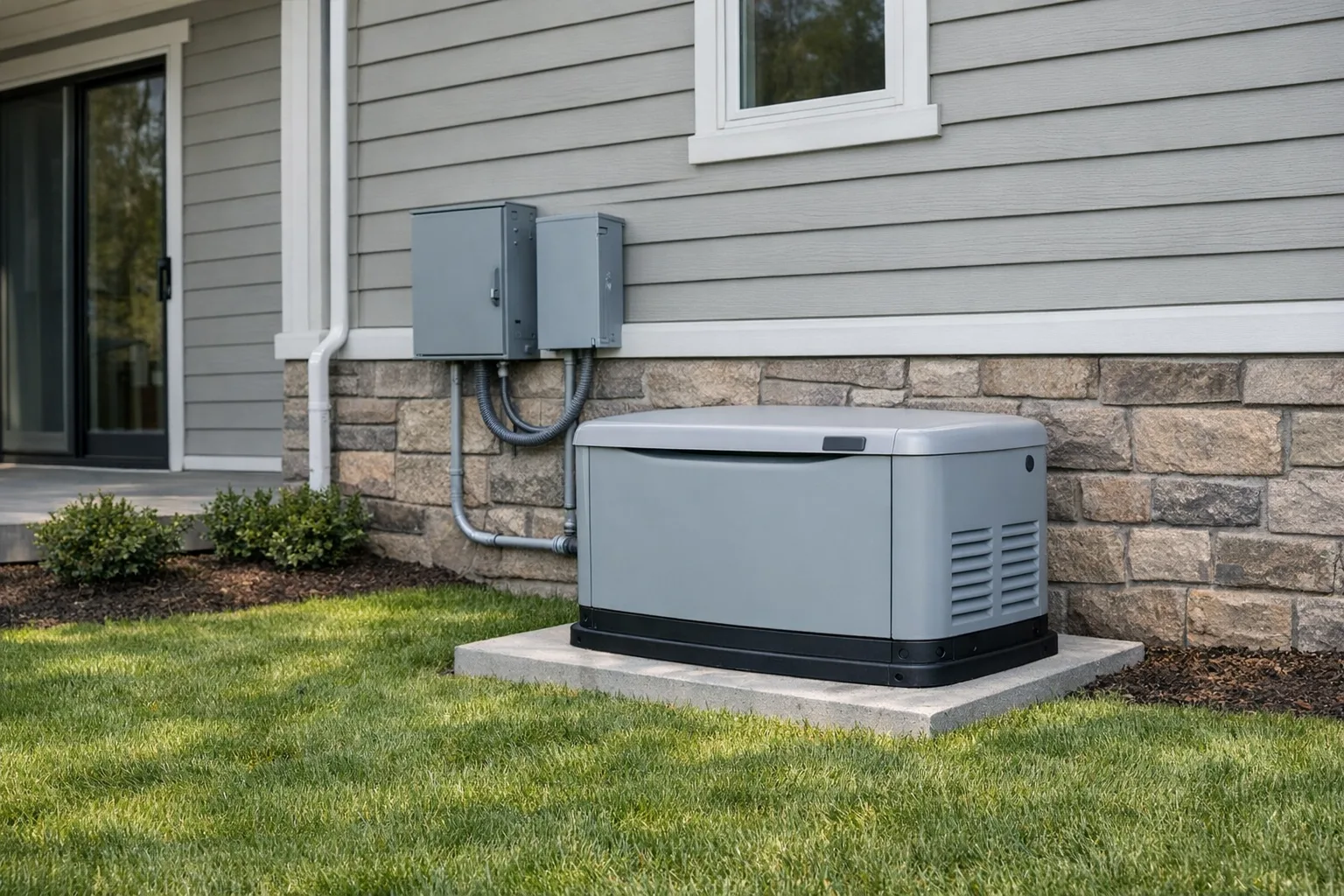
The $540 Bill That Should Have Been $180: A Real 2026 Scenario
Maria Chen, a software engineer in Phoenix, Arizona, thought she was doing everything right. She installed a 10kW solar array in early 2025, purchased a Tesla Model Y in late 2025, and signed up for what her utility called a "green pricing plan." By March 2026, her monthly electricity bill had ballooned to $540—up from $210 before she went electric. The culprit? She was charging her EV at 7 p.m., right during her utility's peak pricing window, while her solar panels sat idle after sunset.
After switching to a structured time-of-use (TOU) rate plan and reprogramming her charger to run between 11 p.m. and 6 a.m., Maria's bill dropped to $187 for the same usage period. That's a $353 monthly savings—$4,236 annually—just from understanding when electricity costs more and when it costs less.
Maria's story isn't unique. Across the United States, utilities are rapidly replacing flat-rate electricity pricing with time-of-use rate structures, and homeowners with electric vehicles and solar panel systems are discovering that the difference between informed scheduling and guesswork can mean hundreds of dollars per year. According to the U.S. Energy Information Administration, over 60% of U.S. residential customers will be on some form of dynamic pricing by the end of 2026, up from 42% in 2024.
What Are Time-of-Use Electrical Rates in 2026?
Time-of-use rates are electricity pricing structures where the cost per kilowatt-hour (kWh) varies based on the time of day, day of the week, and sometimes season. Unlike traditional flat-rate plans where you pay the same amount regardless of when you use power, TOU plans create financial incentives for consumers to shift their electricity usage to periods when the grid is less stressed and generation costs are lower.
Most utilities structure their TOU rates around three primary pricing tiers:
- Off-Peak Rates: Typically charged between 11 p.m. and 6 a.m. on weekdays and most of the day on weekends. These are the cheapest rates, often 40–70% lower than peak pricing.
- Mid-Peak Rates: Charged during shoulder hours—usually morning (6–10 a.m.) and early evening (6–9 p.m.). These fall in the middle of the pricing spectrum.
- Peak Rates: Charged during the highest-demand periods, typically 4–9 p.m. on hot summer afternoons or 6–10 a.m. on cold winter mornings. Peak rates can be 150–300% higher than off-peak rates in some regions.
Price-Quotes Research Lab observes that the gap between peak and off-peak rates has widened significantly in 2026, with utilities in California, Texas, Arizona, and Colorado now charging peak rates that exceed $0.45 per kWh while off-peak rates hover around $0.08–$0.12 per kWh. This 4:1 ratio creates substantial savings opportunities for consumers who can flex their electricity usage.
Why Time-of-Use Rates Hit EV and Solar Homes Hardest
Standard residential electricity customers can often ignore TOU rates without catastrophic financial consequences. Running a dishwasher at 7 p.m. instead of midnight might cost an extra $3–$5 per month. But for households with electric vehicles and solar panel systems, the stakes are dramatically higher.
The EV Charging Load Problem
Electric vehicles represent a massive new electricity load that didn't exist in most households a decade ago. A typical EV consumes 25–40 kWh per 100 miles of driving. For a household driving 1,200 miles per month (the U.S. average for commuters), that's 300–480 kWh dedicated solely to vehicle charging—equivalent to nearly doubling the average American home's electricity consumption.
When that charging happens during peak hours, the financial impact multiplies. Consider this comparison for a household driving 1,200 miles monthly:
| Charging Schedule | Rate Type | Cost per kWh | Monthly EV Charging Cost | Annual Cost |
|---|---|---|---|---|
| Evening Peak (5–9 p.m.) | Peak | $0.42 | $168–$202 | $2,016–$2,424 |
| Overnight Off-Peak (11 p.m.–6 a.m.) | Off-Peak | $0.09 | $27–$43 | $324–$516 |
| Annual Savings | — | — | $141–$159 | $1,692–$1,908 |
These figures assume a 30 kWh per 100 miles efficiency (typical for mid-range EVs) and 1,200 monthly miles. Households with larger vehicles like Rivian R1Ts (which consume 45–55 kWh per 100 miles) or those driving more miles see even larger absolute savings.
The Solar Net Metering Complication
Solar panel owners face a different but equally important TOU dynamic. During the day, solar panels generate electricity that can power your home or be sent back to the grid. But here's the catch: many utilities with TOU rates have reduced or eliminated favorable net metering policies in 2026, meaning the credit you receive for exported solar power is often far less than what you'd pay to buy that same power during peak hours.
In California, for example, PG&E's Net Energy Metering 3.0 (NEM 3.0) rates now value exported solar electricity at approximately $0.05–$0.08 per kWh, while the peak rate for purchasing grid power in the evening is $0.55–$0.65 per kWh. This creates a massive arbitrage opportunity—if you can shift your home's major electricity consumption to the middle of the day when your solar is producing, you minimize the expensive grid power you need to purchase during peak evening hours.
A homeowner with a 10kW solar system in Los Angeles generating 45 kWh on a sunny April day might export 25 kWh to the grid for a credit of $1.50–$2.00. But if they then run their air conditioning, charge their EV, and run major appliances during the 5–9 p.m. peak window, they could purchase that same 25 kWh back for $11–$16. Understanding this asymmetry is crucial for maximizing solar investment returns.
The $200–$600 Annual Savings Breakdown
Research conducted by the U.S. Department of Energy's Building Technologies Office indicates that households with EVs and solar systems can achieve annual savings of $200–$600 through optimized TOU rate scheduling. Here's how those savings break down across different home configurations:
EV-Only Households
For homes with one electric vehicle but no solar, the primary savings come from shifting charging to off-peak hours. Based on 2026 rate data from utilities across 15 major metropolitan areas:
- Small EV (Leaf, Bolt, Mini Cooper SE): 28–32 kWh/100 miles × 1,000 miles/month = $28–$38 monthly savings = $336–$456 annually
- Mid-Size EV (Model 3, Mach-E, Ioniq 5): 30–35 kWh/100 miles × 1,200 miles/month = $42–$54 monthly savings = $504–$648 annually
- Large EV (Model X, R1T, F-150 Lightning): 40–50 kWh/100 miles × 1,200 miles/month = $56–$72 monthly savings = $672–$864 annually
These figures assume a $0.35/kWh peak rate and $0.08/kWh off-peak rate—the typical spread in high-demand utility territories.
Solar-Only Households
For homes with solar but no EV, savings come from shifting high-consumption activities (laundry, dishwashing, pool pumps, HVAC) to midday hours when solar generation is highest. Typical annual savings:
- High-Consumption Daytime Loads: 15–20 kWh/day shifted from peak to solar hours × 300 days of meaningful solar production × $0.25/kWh avoided peak premium = $1,125–$1,500 in gross value
- Net After Solar Export Reduction: $200–$400 annual net savings (accounting for reduced export credits during shifted hours)
Combined EV + Solar Households
The most sophisticated optimization combines solar self-consumption with off-peak EV charging. This dual strategy can achieve the highest total savings:
- Solar Self-Consumption Optimization: $200–$400 annually
- Off-Peak EV Charging: $400–$600 annually
- Total Potential Annual Savings: $600–$1,000 for optimal households
Conservative estimates placing typical savings at $200–$600 annually account for households that can't achieve perfect optimization due to work schedules, rental situations, or less dramatic rate differentials.
How to Actually Schedule Around Time-of-Use Rates
Understanding TOU rates intellectually is one thing; implementing an actual scheduling strategy requires specific tools and approaches. Here's what works in 2026:
Smart Chargers with TOU Scheduling
Every major EV charger manufacturer now offers time-based scheduling as a standard feature. The key is not just setting a start time, but understanding your utility's exact rate windows. Most smart chargers (ChargePoint Home Flex, Wallbox Pulsar Plus, Grizzl-E, Tesla Wall Connector) allow you to set multiple time windows and even import utility rate schedules directly.
For example, if your utility (like SDG&E in San Diego) has a complex 4-tier rate structure with different peak windows on weekends versus weekdays, you'll want to program your charger to:
- Start charging at 12:01 a.m. when off-peak rates begin
- Pause during any mid-peak windows that occur before your target charge level is reached
- Resume during the next off-peak window if needed
- Complete charging no later than 6 a.m. so your vehicle is ready for morning departure
Smart Panel Integration
For homeowners who've upgraded to intelligent electrical panels, TOU optimization becomes even more powerful. Systems like those detailed in our 2026 smart electrical panel cost research can automatically route power flows based on real-time rate data, pre-cooling your home during off-peak hours and then coasting through peak afternoon periods on thermal mass.
The Span Panel, Schneider Square D Energy Center, and Leviton Load Center systems all offer TOU-aware automation that can reduce peak-period consumption by 30–50% without any behavioral changes from the homeowner.
Solar Battery Storage as the Ultimate Hedge
Home battery systems (Tesla Powerwall 3, Franklin WH, Enphase IQ Battery) take TOU optimization to the next level by storing solar generation for use during peak hours. A properly configured system in California can:
- Charge from solar during 10 a.m.–3 p.m. (when rates are mid-peak but solar production is highest)
- Discharge during 5–9 p.m. peak hours (avoiding $0.50+/kWh grid purchases)
- Reserve 20% capacity for emergency backup
With 2026 installation costs ranging from $8,000 to $15,000 after incentives for a 10–13.5 kWh system, and peak-hour avoidance worth $0.40/kWh, a household consuming 25 kWh during peak hours daily could save $3,650 annually in avoided peak charges. The payback period—after the federal Investment Tax Credit and utility rebates—often falls between 4–7 years.
Comparing 2026 TOU Rate Plans Across Major Utilities
Not all TOU plans are created equal. Here's how major utility territories compare for 2026:
| Utility / Region | Off-Peak Rate | Peak Rate | Peak Hours | Savings Potential |
|---|---|---|---|---|
| PG&E (California) | $0.08/kWh | $0.55–$0.65/kWh | 4–9 p.m. weekdays | Very High |
| SDG&E (San Diego) | $0.11/kWh | $0.59–$0.72/kWh | 4–9 p.m. daily | Very High |
| APS (Arizona) | $0.07/kWh | $0.38–$0.45/kWh | 3–8 p.m. summer | High |
| Austin Energy (Texas) | $0.06/kWh | $0.22–$0.28/kWh | 2–8 p.m. summer | Moderate |
| Dominion Energy (Virginia) | $0.08/kWh | $0.18–$0.22/kWh | 2–7 p.m. weekdays | Moderate |
| Duquesne Light (Pittsburgh) | $0.07/kWh | $0.14–$0.17/kWh | 7 a.m.–7 p.m. weekdays | Low-Moderate |
The data shows why geographic location matters so much. California and Arizona utilities have created the most dramatic peak/off-peak spreads, making TOU optimization extremely valuable. Utilities in the Midwest and Northeast often have narrower spreads, reducing—but not eliminating—the financial incentive for scheduling optimization.
Common TOU Mistakes That Cost Homeowners Money
Even well-intentioned homeowners make errors that undermine their TOU optimization efforts. Here are the most costly mistakes Price-Quotes Research Lab observes in utility billing data:
Mistake #1: Assuming Weekends Have the Same Rates
Many utilities charge flat mid-peak rates on weekends, meaning there's no benefit to shifting weekend laundry or dishwashing to odd hours. Other utilities have weekend peak windows that mirror weekday peaks. Always verify your specific utility's weekend schedule.
Mistake #2: Ignoring Seasonal Rate Changes
Summer and winter TOU schedules often differ dramatically from spring/fall schedules. In Arizona, APS charges peak rates from 3–8 p.m. during summer months but has no peak period during winter. A homeowner who programmed their EV charger for off-peak-only operation based on summer rates might find themselves paying peak rates during a mild October evening.
Mistake #3: Not Updating Schedules After Utility Rate Changes
Utilities routinely adjust TOU rate structures, sometimes with minimal notice. In 2026, at least 12 major utilities have modified their TOU rate windows compared to 2025. Set calendar reminders to review your utility's current rates quarterly.
Mistake #4: Overlooking Demand Charges
Some utilities serving solar and EV customers add demand charges—fees based on your highest 15–30 minute power draw during the billing period. A single instance of charging your EV at maximum current during peak hours could trigger a demand charge that applies to your entire month's bill, potentially negating weeks of off-peak charging savings.
What to Do Next: Your 2026 TOU Action Plan
If you're a homeowner with an EV, solar panels, or both, here's a concrete checklist to start capturing TOU savings immediately:
- Pull your latest 12 months of electricity bills. Calculate your average monthly consumption in kWh and identify your current rate structure. If you're on a flat rate, find out if your utility offers TOU plans and what the eligibility requirements are.
- Identify your utility's exact 2026 TOU windows. Visit your utility's website or call their customer service line. Get the specific peak, mid-peak, and off-peak hours for both weekdays and weekends, and confirm whether seasonal variations apply.
- Check your smart charger settings. If you have a programmable EV charger, verify that it's configured for your current utility rates, not the rates from when you first set it up. Many chargers default to generic schedules that may no longer match your utility's actual windows.
- Consider a smart panel upgrade. As detailed in our 2026 smart electrical panel cost analysis, intelligent panels with TOU automation typically cost $2,500–$6,000 installed and can automate much of your load shifting without behavioral changes.
- Evaluate battery storage if you have solar. If your utility has reduced net metering rates (NEM 3.0 style), a home battery system that stores solar generation for evening use may now pencil out financially. Get quotes from at least three installers.
- Use a professional energy audit. If you're unsure where your home's electricity goes, a professional audit (typically $300–$600) can identify the highest-consumption appliances and the best opportunities for load shifting. Our research on electrician costs can help you budget for this service.
- Monitor for 60 days before and after changes. If you implement scheduling changes, track your actual bills for two months before and two months after to verify that your changes are producing the expected savings.
The transition to time-of-use rates represents one of the most significant shifts in residential electricity pricing in decades. For EV and solar homeowners, it's a change that favors the informed over the oblivious by $200–$600 or more annually. The tools and information exist. The question is whether you'll use them.
For more context on how electrical infrastructure investments interact with rate optimization, explore our coverage of whole-house generator costs and smart panel pricing. And when you're ready to compare actual electricity rates from competing providers, Price-Quotes.com offers real-time rate comparisons across dozens of utilities and plan types.