2026 surge protector costs reveal homeowners face major risk
2026 surge protector costs reveal homeowners face major risk
Published 2026-06-28 • Price-Quotes Research Lab Analysis
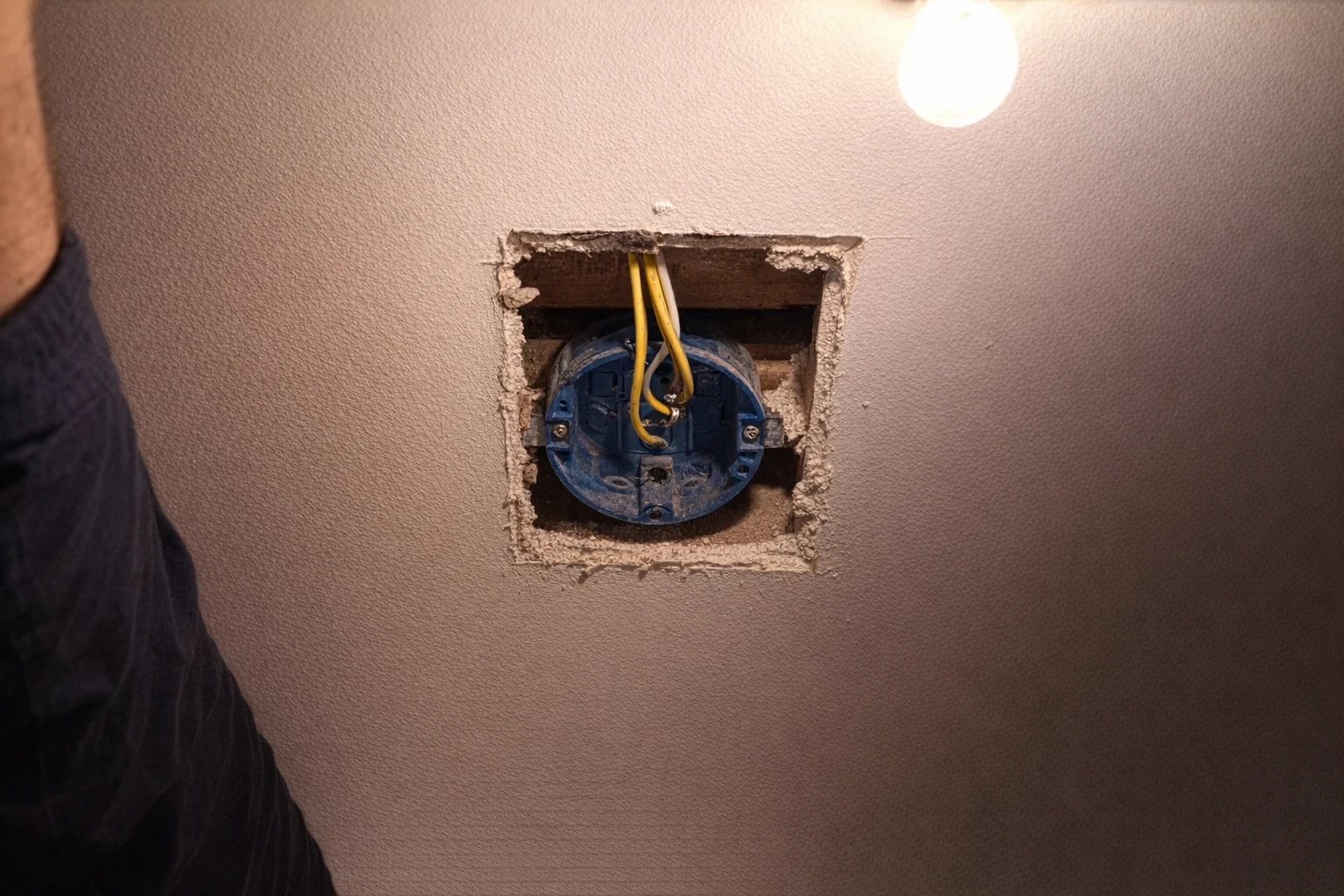
The $18,000 Lightning Strike That Should Have Cost $300
Last July, a single power surge from a distant thunderstorm rolled through a subdivision in suburban Austin, Texas. Within milliseconds, the surge traveled through the utility grid and into 47 homes on the same transformer. The damage tally was staggering: 23 flat-screen televisions, 14 refrigerators, 9 HVAC control boards, and countless phone chargers, gaming consoles, and small appliances. One homeowner—let's call him Marcus—lost $18,000 worth of electronics to a surge that lasted less than 0.001 seconds.
What makes Marcus's story infuriating isn't just the damage. It's that a whole-house surge protector could have prevented all of it. The device that would have saved Marcus $18,000 costs between $300 and $1,500 installed, depending on the model. He wasn't uninsured against surges—he was simply unprotected.
According to the National Electrical Manufacturers Association (NEMA), power surges cause an estimated $5 billion to $6 billion in property damage annually across the United States. Yet fewer than 10% of American homes have whole-house surge protection installed. That's the gap we're diving into today: why homeowners are leaving themselves catastrophically exposed, what whole-house surge protectors actually cost in 2026, and exactly how to make sure you're not the next Marcus.
What Exactly Is a Whole-House Surge Protector?
A whole-house surge protector is a device installed directly at your electrical panel (breaker box) that intercepts voltage spikes before they reach any of your home's circuits. Unlike power strips—which only protect the devices plugged into them—whole-house units guard every outlet, every hardwired appliance, and every device that draws power in your home.
These devices work by monitoring the voltage flowing through your main service entrance. When they detect a spike above a safe threshold (typically above 330 volts for standard 120V circuits), they redirect that excess energy to ground, clamping the voltage before it reaches your electronics. The entire event happens in microseconds—fast enough that sensitive equipment never even "knows" the surge occurred.
Whole-house surge protectors are different from point-of-use suppressors in three critical ways:
- Coverage scope: A single whole-house unit protects everything in your home. Point-of-use suppressors only protect what's plugged into them.
- Joule rating: Whole-house units typically offer 1,000 to 4,000+ joules of surge capacity, compared to 400 to 1,500 joules for most power strips.
- Response time: Whole-house protectors respond in nanoseconds, while many power strips take microseconds—long enough for sensitive electronics to sustain damage.
The 90% Underinsurance Problem: Why Standard Homeowner Policies Fail
Here's the counterintuitive reality that most homeowners never learn until it's too late: your standard homeowner's insurance policy almost certainly does not cover surge damage to the degree you think it does.
According to the Insurance Information Institute (III), standard homeowner's policies cover sudden and accidental electrical damage—but with significant caveats. Surge damage is often classified differently, and many policies have sub-limits for electronics, appliance coverage caps, and deductibles that eat into claims. The average surge-related insurance claim pays out only 40% to 60% of actual damage costs, and claims involving "gradual" surge degradation (which is how insurers often characterize multi-device losses) are frequently reduced or denied.
Price-Quotes Research Lab observes that the combination of low awareness about surge vulnerability, confusion about insurance coverage, and the relatively low perceived cost of surge protection creates a perfect storm of underinsurance. Most homeowners spend more on monthly streaming subscriptions than they would on a decade of whole-house surge protection.
The math is brutal when you run the numbers. Consider a home with $50,000 worth of electronics and appliances: televisions ($8,000), computers and tablets ($5,000), HVAC system ($12,000), kitchen appliances ($15,000), home theater and gaming ($6,000), and miscellaneous devices ($4,000). A single catastrophic surge event could total 60% to 80% of that value. The annual cost of whole-house protection, amortized over 10 years, is $30 to $150 per year—less than 0.3% of the protected asset value annually.
2026 Whole-House Surge Protector Pricing: What You Actually Pay
Whole-house surge protector costs in 2026 break down into three categories: the device itself, installation labor, and ancillary costs. Here's the complete picture.
Device Costs by Tier and Brand
Whole-house surge protectors range from entry-level models to industrial-grade systems. Here's the 2026 pricing landscape:
| Tier | Brand/Model | Joule Rating | Max Surge Capacity | Device Cost | Best For |
|---|---|---|---|---|---|
| Budget | Square D QO350L200PG | 1,080 joules | 50,000 amps | $120–$180 | Small homes, minimal electronics |
| Mid-Range | Eaton CHSPT2ULTRA | 2,080 joules | 108,000 amps | $250–$350 | Standard suburban homes |
| Premium | Siemens FS140 | 3,600 joules | 140,000 amps | $400–$550 | Electronics-heavy homes, home offices |
| Commercial | Leviton 52120-1RT | 4,000+ joules | 200,000 amps | $700–$1,200 | Luxury homes, smart home systems |
These prices reflect manufacturer suggested retail pricing as of Q1 2026. Expect to pay 5% to 15% more at electrical supply distributors and 10% to 25% more through home improvement retail channels.
Installation Labor Costs
Installation is where costs become highly variable. A straightforward replacement of an existing surge protector takes 1 to 2 hours. Running a new circuit or retrofitting a panel in an older home can take 4 to 8 hours. Here's the 2026 electrician rate breakdown:
| Installation Type | Time Required | Hourly Rate Range | Estimated Labor Cost |
|---|---|---|---|
| Direct replacement (existing surge protector) | 1–2 hours | $85–$150/hour | $85–$300 |
| New installation, accessible panel | 2–4 hours | $85–$150/hour | $170–$600 |
| New installation, panel upgrade needed | 4–8 hours | $85–$150/hour | $340–$1,200 |
| Complex retrofit, older home | 6–10 hours | $100–$175/hour | $600–$1,750 |
National average electrician rates in 2026 sit at approximately $110 per hour, but rates vary significantly by region. Urban areas in the Northeast and West Coast commonly see $130 to $175 per hour, while rural areas in the Midwest and South often range from $85 to $110 per hour.
Ancillary Costs to Budget For
Beyond the device and labor, several ancillary costs can affect your total project cost:
- Electrical permit: Many municipalities require a permit for panel work. Permit costs range from $50 to $250 depending on jurisdiction. For a detailed breakdown of permit costs by state, see our 2026 electrical permit fee guide.
- Panel upgrade compatibility: Some older panels require modification brackets or adapters ($25–$75).
- Combination devices: Some homeowners opt for combined surge protector/circuit breaker units, which replace individual breakers. These cost $150 to $400 per unit but may require additional breaker purchases.
- Whole-home generator compatibility: If you have or are considering a standby generator, surge protection integration becomes more complex. Our generator installation cost guide covers these considerations.
Total Project Cost: Full 2026 Installation Breakdown
Combining device costs, labor, and ancillary expenses, here's what homeowners actually pay in 2026 for whole-house surge protection:
| Scenario | Device | Labor | Permits/Fees | Total Range | Average Total |
|---|---|---|---|---|---|
| Budget replacement, accessible panel | $150 | $150 | $0–$75 | $300–$375 | $340 |
| Mid-range new install, standard home | $300 | $350 | $50–$150 | $700–$800 | $750 |
| Premium install, modern panel | $500 | $450 | $75–$200 | $1,025–$1,150 | $1,090 |
| Commercial-grade, complex retrofit | $1,000 | $900 | $100–$250 | $2,000–$2,250 | $2,125 |
For most homeowners in a standard 2,000 to 3,000 square foot home with a modern electrical panel, the sweet spot is the mid-range tier: $700 to $800 total project cost for a quality 2,000+ joule unit with professional installation.
Why Smart Breakers Change the Surge Protection Equation
A new category has emerged that complicates the surge protection decision: smart breakers with integrated surge monitoring. These devices—covered in depth in our smart breaker cost analysis—offer circuit-level monitoring and can detect surge events, log them, and in some cases, automatically shut down affected circuits.
Smart breakers with surge protection capabilities range from $150 to $400 per breaker, compared to $50 to $100 for standard breakers. For a full panel (24 to 40 breakers), the cost becomes prohibitive—$3,600 to $16,000 just for the breakers, before installation. However, for homeowners building new or doing major renovations, the integrated monitoring capabilities offer diagnostic benefits that traditional surge protectors cannot match.
For most existing homeowners, a dedicated whole-house surge protector at the main panel remains the most cost-effective approach. The key is choosing a unit with sufficient joule rating for your home's electrical load.
The Hidden Cost of Not Installing: Surge Damage Statistics
Understanding the true cost of surge vulnerability helps justify the installation investment. The data from 2024-2026 insurance and utility industry research reveals a sobering picture:
- The average surge-related homeowner's insurance claim in 2025 was $4,800, up 23% from 2023, driven by increased electronics density in homes.
- 65% of surge events originate from internal sources (motors, HVAC systems, appliances cycling on/off), meaning surges occur regularly, not just during storms.
- The average home experiences 20 to 30 detectable surge events per year, with most being minor and going unnoticed.
- Lightning-caused surges account for only 3% to 5% of total surge damage claims by frequency, but 35% of total dollar damage due to severity.
- Electronics damaged by surges often fail gradually, with shortened lifespans that aren't immediately attributed to surge events.
Price-Quotes Research Lab observes that the "invisible" nature of most surge damage makes it particularly insidious. Homeowners don't realize their appliances are dying prematurely from micro-surges until they suddenly fail—often years before their expected lifespan. The cumulative cost of these "silent" surges, across all appliances and electronics in a typical home, may exceed $2,000 to $5,000 over a 10-year period.
What to Do Next: Your 2026 Surge Protection Action Plan
If you've read this far, you're already ahead of 90% of homeowners in understanding your surge risk. Here's exactly what to do next:
Step 1: Audit Your Electronics and Appliance Value
Walk through your home and estimate the replacement cost of everything that runs on electricity. Include: televisions, computers, phones, tablets, gaming systems, kitchen appliances, HVAC control systems, smart home devices, and any medical equipment. This number is your "at-risk" value—the figure you're gambling against every day without whole-house protection.
Step 2: Assess Your Panel and Accessibility
Locate your main electrical panel. Is it in a basement, garage, or utility closet? Is it relatively new (installed after 2000)? Is there clear working space in front of it? These factors affect installation complexity. Take a photo of your panel's label (the listing plate showing the manufacturer and model number) to share with electricians for accurate quotes.
Step 3: Get Three Quotes from Licensed Electricians
Never accept a single quote for electrical work. Get at least three estimates, and verify that each electrician is licensed, bonded, and insured. Ask specifically about:
- Experience with whole-house surge protector installation
- Whether the quote includes the device, labor, and any permit fees
- Warranty on the installation work
- Recommended surge protector tier for your home size and electronics load
Be wary of quotes that seem too low—they may be using inferior devices or cutting corners on installation. Similarly, extremely high quotes may be padded. The sweet spot for a standard mid-range installation should fall between $700 and $850 in most markets.
Step 4: Verify Your Insurance Coverage
Before installation, call your homeowner's insurance provider and ask specifically about surge damage coverage. Get the answer in writing. Understand your deductible and any sub-limits on electronics or appliance coverage. This conversation may reveal that your policy covers less than you assumed—and that the $750 investment in surge protection is even more critical.
Step 5: Consider Complementary Point-of-Use Protection
Whole-house surge protection doesn't eliminate the need for point-of-use suppressors on sensitive electronics. The whole-house unit handles large, destructive surges. Quality power strips with built-in suppression add a second layer of defense for your most sensitive and expensive equipment: computers, home theater systems, and gaming consoles. Budget an additional $30 to $80 per power strip for premium models with high joule ratings and lifetime warranties.
Frequently Asked Questions
How long does whole-house surge protector installation take?
For a straightforward replacement or new installation on an accessible panel, expect 2 to 4 hours of labor. Complex retrofits or panel upgrades can take 6 to 10 hours, often requiring a second visit. Most installations are completed in a single day.
Do whole-house surge protectors need maintenance or replacement?
Most whole-house surge protectors have indicator lights that show when the device is functioning or when it has absorbed a significant surge and needs replacement. Quality units typically last 5 to 10 years before the suppression components degrade. After a major surge event (like a nearby lightning strike), have the unit inspected to confirm it's still functioning.
Will installing a whole-house surge protector increase my home's value?
Whole-house surge protection is considered a value-adding home improvement, particularly in areas with high lightning activity or older housing stock. While it won't dramatically increase resale value, it can be a selling point for tech-savvy buyers and may reduce insurance scrutiny during home inspections.
Can I install a whole-house surge protector myself?
Technically, a skilled DIYer with electrical experience could install a whole-house surge protector. However, this work involves interfacing with your main electrical panel, which carries risks of electrocution, fire, and code violations. We strongly recommend professional installation. Additionally, many warranties are voided by improper installation, and some insurance policies require professional installation for coverage to apply.
What's the difference between surge protectors and whole-house backup generators?
Surge protectors and generators serve entirely different purposes. Surge protectors defend against voltage spikes, preventing damage from excess electricity. Generators provide backup power during outages. Some homeowners confuse these because certain high-end generator installations include integrated surge protection. For a full breakdown of generator options, see our generator installation cost guide.
The Bottom Line
The math is simple: $750 to $1,000 for whole-house surge protection versus $18,000 to $50,000 in potential damage. The question isn't whether surge protection is worth it—it's whether you're going to act before you join Marcus's club of homeowners who learned this lesson the hard way.
Power surges are not rare events. They're not exotic occurrences that only happen to other people. They're daily occurrences, originating from your own appliances, your utility grid, and yes, occasionally from lightning. The only question is whether you'll be protected when they strike.
For help comparing quotes from licensed electricians in your area, Price-Quotes.com connects homeowners with verified electrical contractors. Getting multiple quotes takes minutes and can save thousands.