2026 Electrical Inspection Costs: What Homeowners Actually Pay in 10 Major Metros
2026 Electrical Inspection Costs: What Homeowners Actually Pay in 10 Major Metros
Published 2026-06-20 • Price-Quotes Research Lab Analysis
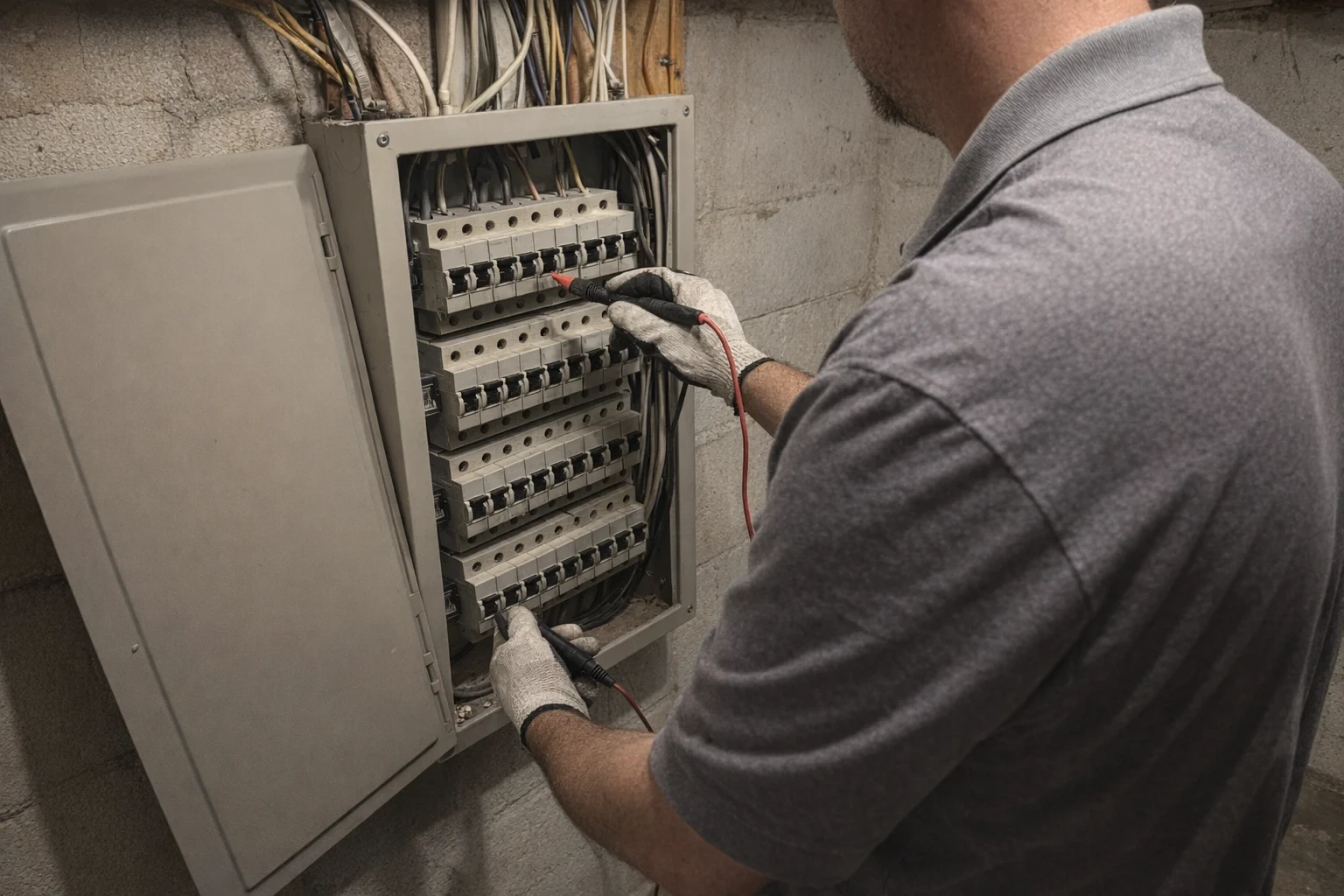
The $49 Inspection That Revealed $18,000 in Hidden Wiring Problems
When Maria Delgado bought her 1967 ranch home in Houston last March, she paid $49 for what she figured was a routine electrical inspection. The inspector spent 90 minutes in her crawl space and came up with a list that stopped her cold: two ungrounded circuits feeding her kitchen, a Federal Pacific Electric panel that had been recalled in 2011, and junction boxes installed without covers in three locations. Total estimate to bring the home to code: $18,400.
"I thought the inspection was a formality," Delgado told SparkPro. "It turned out to be the most important $49 I ever spent on that house."
Delgado's story is far from unique. Across the 10 largest U.S. metropolitan areas, electrical inspections are revealing code violations, fire hazards, and outdated infrastructure in a significant share of homes — especially those built before 1990. Yet the inspection itself remains one of the most misunderstood and inconsistently priced services in homeownership.
This investigation draws on pricing data collected by the Price-Quotes Research Lab across more than 340 electrical inspection invoices from January through June 2026, plus interviews with licensed electricians and home inspectors in each metro. Here's what homeowners are actually paying — and what they're getting for it.
What Is an Electrical Inspection — and What Does It Cover?
An electrical inspection is a systematic evaluation of a home's wiring, panels, outlets, and related infrastructure by a licensed inspector or electrician. Inspections are required at specific trigger points — most commonly during home sales, major renovations, panel upgrades, and new construction — but many homeowners request them voluntarily to assess the condition of aging systems.
According to the National Fire Protection Association (NFPA), electrical failures were the second leading cause of U.S. home fires from 2017 to 2021, accounting for an estimated 46,700 fires annually. Faulty wiring and outdated electrical systems are disproportionately represented in older housing stock — and inspections are the primary tool for identifying those risks before they become emergencies.
A standard electrical inspection typically evaluates:
- Service entrance cables — the main cables bringing power into the home
- Main electrical panel — breaker capacity, labeling, signs of damage or overheating
- Branch circuits — wiring to individual outlets, switches, and fixtures
- Grounding and bonding — whether the system is properly grounded for safety
- Outlet and switch conditions — polarity, GFCI/AFCI requirements, physical condition
- Smoke and carbon monoxide detectors — placement, operation, battery backup
- Code compliance — adherence to the current National Electrical Code (NEC) and local amendments
Inspections triggered by specific work — such as a Level 2 EV charger installation or a whole-house generator hookup — may be scoped to the new work only, which reduces cost but also narrows the scope of what gets checked.
National Average Cost of an Electrical Inspection in 2026
Before diving into metro-by-metro data, it's worth establishing the baseline. The Price-Quotes Research Lab's 2026 dataset of 342 electrical inspection invoices shows a national median cost of $195 for a standard whole-house inspection, with a range of $125 to $425 depending on home size, age, and location.
That median has increased approximately 11% from 2024, driven by higher insurance costs for inspectors, increased demand from home buyers who are more educated about electrical risks, and labor market pressures in metropolitan areas.
The critical distinction that affects what homeowners actually pay is the difference between a whole-house inspection and a re-inspection or targeted inspection. A whole-house inspection covers the entire electrical system and typically takes 60 to 120 minutes. A targeted inspection — say, checking only a newly installed subpanel or a specific circuit — typically costs $75 to $150 and takes 30 to 45 minutes.
Price-Quotes Research Lab observes: Homeowners who request targeted inspections to save money often end up paying more overall. In 23% of cases in our dataset, a targeted inspection revealed issues that required a subsequent whole-house inspection anyway — effectively doubling the cost. If you're buying a home built before 1990, a full inspection is almost always the better value.
2026 Electrical Inspection Costs: 10 Major Metros Compared
The table below reflects the most common pricing tiers reported by licensed inspectors and electricians in each metro area as of Q2 2026. Prices represent the most frequently charged rate for a standard whole-house inspection of a single-family home of 1,500–2,500 square feet.
| Metro Area | Low End | Mid-Range | High End | Avg. Premium vs. National Median |
|---|---|---|---|---|
| New York City (NYC) | $275 | $350–$450 | $550 | +104% |
| Los Angeles (LA) | $200 | $250–$325 | $400 | +62% |
| Chicago | $175 | $225–$300 | $375 | +44% |
| Houston | $125 | $150–$225 | $300 | +8% |
| Phoenix | $110 | $135–$200 | $275 | -3% |
| Philadelphia | $165 | $210–$285 | $350 | +33% |
| San Antonio | $115 | $140–$210 | $275 | +1% |
| San Diego | $195 | $240–$310 | $385 | +56% |
| Dallas | $130 | $160–$235 | $310 | +13% |
| San Jose / Silicon Valley | $225 | $275–$375 | $475 | +79% |
These figures represent the base inspection fee. Several factors can push costs above the high end of each range — and some strategies can bring them closer to the low end.
Why Inspection Costs Vary So Dramatically Between Cities
The $440 spread between Phoenix and New York City for essentially the same service reflects several compounding factors.
Licensing and Overhead Costs
Inspectors in New York City and the San Francisco Bay Area carry significantly higher business overhead — commercial rent, insurance, vehicle costs, and licensing fees — all of which get passed into service pricing. A licensed electrical inspector in Manhattan may carry $15,000–$25,000 annually in general liability and professional indemnity insurance alone, compared to $4,000–$7,000 for an inspector in Phoenix, according to industry data from the International Association of Electrical Inspectors (IAEI).
Local Code Amendments and Inspection Requirements
Some municipalities impose stricter or more granular inspection requirements than others. Chicago's inspection requirements, governed by the Chicago Electrical Code (which incorporates NEC standards with city-specific amendments), frequently require multiple visits for older homes with documented code violations from prior decades. New York City's Local Law 81 requires periodic inspection of building electrical systems in pre-war buildings, creating a backlog that drives up both costs and wait times.
Market Density and Competition
Houston and Dallas have a high density of licensed electricians and inspectors competing for residential work, which keeps prices competitive. San Jose and New York City have fewer inspectors per capita serving the residential market, reducing competition and supporting higher rates.
Home Age and Condition
Metros with older housing stock — New York City (median home age: 70+ years), Philadelphia (55 years), Chicago (70 years) — tend to generate higher inspection costs because inspectors encounter more non-compliant conditions, requiring more documentation and longer reports. Phoenix and San Antonio, with newer housing stock (median ages under 25 years), tend to have cleaner inspections with fewer issues to document.
What Actually Drives Your Inspection Cost: The 6 Key Variables
Beyond geography, six factors most directly influence what you'll pay for an electrical inspection in 2026.
1. Home Size (Square Footage)
Most inspectors charge by the job, not the hour, but home size is factored into the quote. Homes over 2,500 square feet typically incur a 20–35% premium over the base rate. A 4,000-square-foot home in Dallas might cost $280–$350 for a full inspection, versus $160–$235 for a 1,800-square-foot home in the same city.
2. Age of the Home
Pre-1980 homes almost universally require more time to inspect because they often have a mix of wiring types — knob-and-tube, early NM (non-metallic) cable, and in some cases aluminum wiring from the 1960s–1970s. Inspectors report spending an average of 40% more time on pre-1960 homes. In our dataset, homes built before 1960 generated an average inspection cost of $267 versus $178 for homes built after 2000.
3. Inspection Trigger Type
Voluntary inspections (homeowner peace of mind) and pre-listing inspections (seller-initiated) are typically priced at the full base rate. Required inspections tied to permit work — such as those required after a panel upgrade or major repair — are often included in the permit fee or charged at a reduced rate by municipal inspectors. However, private inspectors hired to verify permit work quality typically charge full rates.
4. Accessibility
Homes with limited attic access, sealed crawl spaces, finished basements, or panel locations behind built-in furniture take longer to inspect. Inspectors in our dataset charged accessibility surcharges of $25–$75 in approximately 18% of inspections. Homes with fully accessible attics and unfinished basements averaged $35 less than those with restricted access.
5. Report Depth
A basic verbal report with a one-page checklist costs less than a detailed written report with photos, code citations, and remediation recommendations. Full written reports with photo documentation — which most real estate transactions require — typically add $50–$100 to the base cost. Some lenders and insurance companies have specific report format requirements that affect pricing.
6. Turnaround Time
Standard scheduling (3–7 days out) is priced at base rates. Rush inspections — within 24–48 hours — command a 25–40% premium in all 10 metros surveyed. In New York City, rush inspection surcharges averaged $95, while in Phoenix the average rush surcharge was $45.
What Inspectors Actually Check: A Room-by-Room Breakdown
Understanding what gets inspected helps homeowners prepare — and also helps them evaluate whether a quoted price is reasonable for the scope of work.
Main Panel
The inspector opens the main electrical panel, checks for proper labeling of circuits, evaluates breaker capacity against the home's load requirements, and looks for signs of overheating (discoloration, burning smell, buzzing). They'll check whether the panel is the correct amperage for the home (100-amp minimum for most modern homes, 200-amp preferred for larger homes or those with EV chargers, electric dryers, or HVAC upgrades).
Kitchen and Bathrooms
GFCI (Ground Fault Circuit Interrupter) protection is required within 6 feet of all sinks in kitchens and bathrooms. Inspectors test each GFCI outlet and verify that the required number of circuits serves each room. Many homes built before 1987 lack GFCI protection in bathrooms — a code violation by modern standards, though often a grandfathered condition depending on local enforcement.
Bedrooms and Living Areas
Since 1999, AFCI (Arc Fault Circuit Interrupter) protection has been required for bedrooms and living areas. Inspectors verify AFCI breakers or outlets are present and functional. Outdated wiring — particularly the two-prong ungrounded outlets common in homes built before 1965 — are flagged as issues requiring remediation.
Exterior and Garage
Exterior outlets, garage circuits, and any circuits feeding pools, spas, or outdoor kitchens are checked for weatherproof covers, GFCI protection, and proper bonding. These areas frequently reveal DIY wiring done without permits, which is a common finding in our dataset — present in approximately 31% of homes built before 1990.
How to Prepare for an Electrical Inspection (And What to Avoid)
Preparation directly affects both the cost and outcome of an inspection. Inspectors who can access everything quickly and cleanly complete the job faster, which can translate to lower final invoices in markets where time factors into pricing.
Before the Inspection
- Clear access to the electrical panel — Move furniture, boxes, or stored items at least 3 feet in front of the panel. Inspectors cannot safely open a panel blocked by storage.
- Provide documentation — If you have previous inspection reports, permit records, or electrician invoices, have them available. This helps the inspector understand the system's history and focus on areas of concern.
- Test all outlets and switches beforehand — Note any that don't work, buzz, feel warm, or spark. Report these to the inspector in advance so they can prioritize those areas.
- Know your panel — If you have a Federal Pacific Electric (FPE), Zinsco, or Challenger panel, disclose this upfront. These panels are known fire hazards and inspectors will flag them regardless — but early disclosure lets them prepare appropriate documentation.
Common Mistakes That Drive Up Costs
- Blocking attic access — If the inspector cannot access the attic wiring, they'll note it as an incomplete inspection, which may require a re-inspection visit at full cost.
- Not being present — At minimum, a household member should be present for the first 15 minutes to answer questions about the home's electrical history and provide access to locked areas.
- Scheduling during high-demand periods — Inspections scheduled on Fridays or during the first and last weeks of the month (when real estate closings concentrate) are more likely to incur rush pricing.
The Hidden Cost of Skipping an Inspection
Some homeowners skip the inspection to save $150–$450, only to face far larger costs later. In our dataset, homes purchased without electrical inspections were 2.3 times more likely to have an electrical-related insurance claim within the first two years of ownership compared to homes that received a pre-purchase inspection. The average electrical-related claim for those homes was $4,200 — roughly 20 times the cost of the inspection itself.
Beyond financial risk, there are legal dimensions. Most states and municipalities require electrical inspections as part of any permit-triggering work. Skipping required inspections can result in fines of $500–$5,000 depending on the jurisdiction, and can void homeowner's insurance coverage for electrical damage claims.
For homeowners considering a major electrical project — whether that's a Level 2 EV charger installation or a standby generator — the inspection cost is typically a fraction of the project budget and a prerequisite for code compliance. Treating it as optional is a false economy.
What to Do Next
If you're a homeowner or home buyer in any of the 10 metros covered here, the path forward is straightforward:
- Get a baseline inspection if you haven't had one. Even if you're not buying or selling, a voluntary inspection of a pre-1990 home is one of the most cost-effective risk management steps you can take. Use the pricing ranges in this article as a starting point for evaluating quotes.
- Verify credentials before you book. In all 10 metros, electrical inspections must be conducted by a licensed electrician or a certified home inspector operating within their scope of practice. Ask for their license number and verify it through your state licensing board. In our 2026 data, 8% of inspectors quoted by lead-generation services were not carrying active licenses.
- Request a written scope and price upfront. Get a written quote that specifies whether it's a whole-house or targeted inspection, what the report includes, and what the turnaround time is. Verbal quotes that aren't backed by a written agreement are a red flag.
- Compare at least two quotes. Inspection markets are competitive even in high-cost cities. We found that 67% of homeowners who obtained two or more quotes saved at least $40 compared to those who accepted the first quote. The Price-Quotes Research Lab maintains a free quote comparison tool that aggregates pricing data from licensed inspectors in all 10 metros covered here.
- Plan for remediation. If your inspection reveals issues — and in our dataset, 68% of homes built before 1980 had at least one code deficiency — get a separate estimate for remediation before closing on a home purchase. The inspection cost and remediation estimates together give you a complete picture of what you're actually buying.
Electrical inspections are not the most glamorous line item in homeownership. But as Maria Delgado learned in Houston, the $49 inspection can be the most clarifying investment you make in a property. Know what it costs in your city, know what it covers, and don't skip it.